
What Size Solar Battery Do I Need? A Gold Coast Battery Sizing Guide
Too small and you're back on grid power by 9pm. Too big and you've paid for storage your solar can't fill, and for capacity the federal rebate barely covers. Here's how our Arundel-based team sizes home batteries on the Gold Coast and across South East Queensland, with a free calculator you can use right now.
Use the Battery CalculatorGet a Free Battery AssessmentQuick answer: Size your battery to cover your evening and overnight usage, which is usually 40–60% of a home's daily electricity use. A typical Gold Coast household using 20–25 kWh a day suits a 10 to 13.5 kWh usable battery, while larger homes with ducted air-con, a pool or an EV often need 15 to 25 kWh. Your solar system must also produce enough surplus to fill the battery each day, and federal rebate support is highest on the first 14 kWh of usable capacity.
Why Battery Sizing Matters in Queensland
Most Gold Coast homes with solar export their midday surplus for a few cents per kWh, then buy power back after sunset at many times that price. A battery stores that surplus and uses it during the evening peak, when air-conditioning, cooking, TVs and pool pumps are all running.
But bigger isn't automatically better. A battery only saves money on the kilowatt-hours it actually cycles each day. If it never fills, or never empties, part of what you paid for sits idle. On top of that, the federal Cheaper Home Batteries rebate is now tiered, so the right size also depends on where the rebate support drops off.
The goal is simple: a battery that fills on a typical sunny day and empties by the next morning. If you haven't sized your solar yet, start with our solar system sizing guide.

How to Size a Solar Battery in 5 Steps
This is the same process we follow during a battery assessment, simplified so you can do a rough version at home.
Find your evening and overnight usage
Look at your electricity bill or your retailer's online usage data. Smart meters record usage every 30 minutes, so you can see how much you use between roughly 4pm and 7am. If you can't get that detail, a safe estimate for most Gold Coast homes is 40–60% of your total daily usage.
Check your solar surplus
Your battery can only store what your solar doesn't use during the day. A north-facing system on the Gold Coast produces roughly 4 kWh per kW per day on average. Subtract your daytime usage, and what's left is what can charge the battery. A 6.6 kW system often leaves 10–15 kWh spare on a sunny day; winter and cloudy days leave less.
Then check: Solar output − daytime usage ≥ battery size. If not, the battery won't fill and you may need more panels or a solar system upgrade.
Decide what you want the battery to do
Most homes size for bill savings, covering the evening peak. If blackout backup matters, you'll want extra reserve and a battery with backup capability for essential circuits. If you plan to join a Virtual Power Plant (VPP), a slightly larger battery can earn credits for exporting at peak times.
Compare usable capacity and power output
Always compare usable capacity, not the nominal figure on the box. Power output (kW) matters too: a 13.5 kWh battery with a 5 kW output may not run ducted air-con, an oven and a kettle at the same time. Larger homes often need 8–10 kW of continuous output.
Plan for EVs and the next 10 years
An EV charged overnight can add 6–10 kWh a day of demand. A smart EV charger that charges from solar during the day reduces how much battery you need. Modular batteries let you add capacity later, which is often smarter than oversizing on day one.
Free Battery Size Calculator (Gold Coast & SEQ)
Enter a few details for an instant estimate. It's a starting point; a site assessment confirms your real usage pattern, switchboard and network requirements. You can also try our battery size calculator or the federal battery rebate calculator.
Shown on your bill. Typical Gold Coast homes: 15–35 kWh.
Recommended battery size
Estimates assume around 4 kWh per kW of solar per day and the federal STC factor for May–December 2026, with STCs valued at about $37. Rebate support reduces every six months and actual amounts depend on your installer and battery. Book a free assessment for an exact design.
Get My Exact Battery DesignTypical Battery Sizes for Gold Coast Homes
Based on the solar and battery systems we install across the Gold Coast, Logan and Brisbane's southside, here's what usually works:
| Daily Usage | Typical Household | Recommended Battery (usable) | Solar Needed | Notes |
|---|---|---|---|---|
| 10–15 kWh | 1–2 people, apartment or small home | 5 – 10 kWh | 5 – 6.6 kW | Often a single compact battery |
| 15–25 kWh | Family of 3–4, summer air-con | 10 – 13.5 kWh | 6.6 – 10 kW | The most common Gold Coast setup |
| 25–35 kWh | Larger family, pool, ducted air-con | 13.5 – 20 kWh | 10 – 13 kW | Check power output (kW) too |
| 35 kWh+ | EV charging, all-electric, acreage | 20 – 30 kWh+ | 13 kW+ (often three-phase) | Modular or two-battery systems |
Figures are estimates based on typical South East Queensland usage patterns and solar yields. Your actual usage pattern matters more than household size.
How the Federal Battery Rebate Affects Sizing
Under the Cheaper Home Batteries Program, eligible batteries earn small-scale technology certificates (STCs) based on usable capacity. Since 1 May 2026, the Clean Energy Regulator applies a tiered structure, so each extra kWh earns less support once you go past 14 kWh.
That makes the first 14 kWh of usable capacity the best value, and it's one reason 10–16 kWh batteries are so popular on the Gold Coast.
| Usable Capacity Band | Rebate Support | Approx. Value per kWh (May–Dec 2026) |
|---|---|---|
| 0 – 14 kWh | 100% of the STC factor | ~$250 |
| 14 – 28 kWh | 60% of the STC factor | ~$150 |
| 28 – 50 kWh | 15% of the STC factor | ~$38 |
| Above 50 kWh | No STCs | $0 |
The STC factor also steps down every six months (January and July) until the scheme ends in 2030, so the same battery attracts a smaller rebate each year. Dollar values are approximate and depend on the STC market price. Check your eligibility on our federal battery rebate Queensland page.
Capacity, Power & Backup: Getting the Details Right
Capacity (kWh) vs power (kW)
Capacity is how much energy the battery stores. Power is how much it can deliver at once. Think of capacity as the size of the tank and power as the width of the tap. A large battery with a small inverter may still pull from the grid when several big appliances run together.
Blackout backup
Not every battery provides backup, and most systems only back up selected circuits like lights, fridges and Wi-Fi. If storms and outages are a concern, read about blackout protection with solar batteries and our battery backup systems.
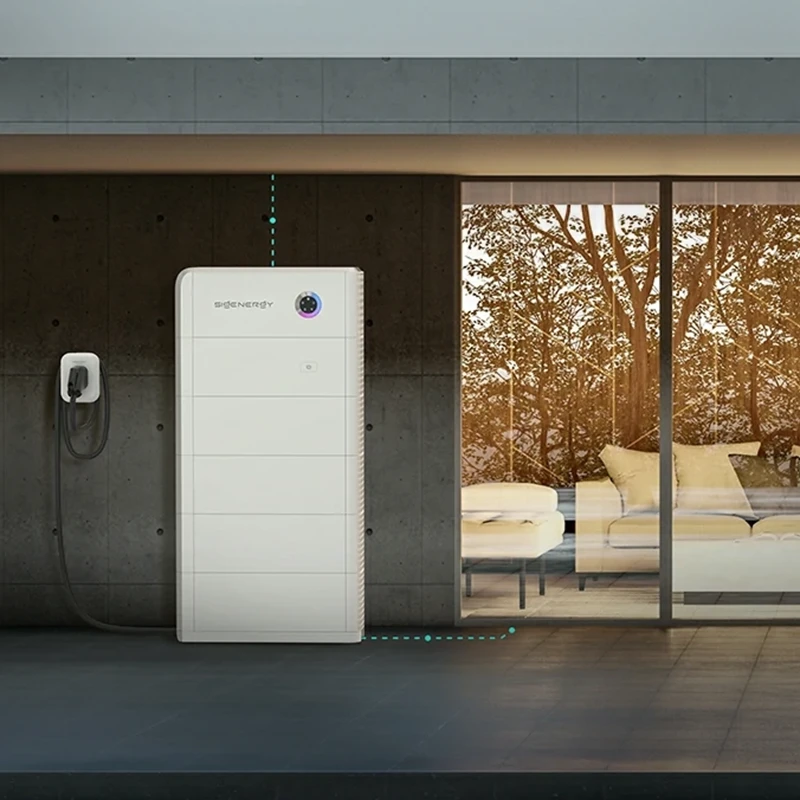
Compare popular options including Tesla Powerwall 3, Sigenergy SigenStor, Sungrow and BYD.
Common battery sizing mistakes we fix
- ✕Buying a battery bigger than the solar system can fill
- ✕Comparing nominal capacity instead of usable capacity
- ✕Ignoring power output, so the battery can't run peak loads
- ✕Oversizing past the rebate tiers without a clear reason
- ✕Not planning for an EV, then running short within a year
What we do differently
- ✓Analyse your smart-meter interval data before quoting
- ✓Check your solar surplus across summer and winter
- ✓Handle all Energex connection and approval paperwork
- ✓Claim the federal battery rebate for you at point of sale
- ✓Licensed QLD electricians, locally based in Arundel. Read our customer reviews
Solar Battery Sizing FAQs
What size battery do I need for a 4-bedroom house on the Gold Coast?+
Most 4-bedroom Gold Coast homes use 20–30 kWh a day, with roughly half of that in the evening and overnight. That usually suits a 13.5 to 16 kWh usable battery paired with at least a 10 kW solar system.
Is a 10 kWh battery enough?+
A 10 kWh battery suits homes using around 15–20 kWh a day, or larger homes that mainly want to cover the 4pm to 10pm peak. If you run ducted air-con overnight or charge an EV at night, you'll likely need more.
How long will a 13.5 kWh battery last overnight?+
For a typical Gold Coast home using 0.8–1.2 kW on average through the evening and night, a 13.5 kWh battery lasts roughly 11–16 hours. Running air-conditioning or a pool pump overnight will shorten that.
Can I add a battery to my existing solar system?+
Yes. Most systems can add a battery, either with a hybrid inverter or an AC-coupled battery. Older or small systems may need extra panels to fill it. Learn more in our 6 common questions about solar battery storage.
Should I get a bigger battery for the rebate?+
Not necessarily. Rebate support is highest on the first 14 kWh of usable capacity and drops sharply after 28 kWh. Size for your usage first, then consider whether a little extra makes sense for backup or an EV.
What size solar system do I need to charge a battery?+
As a rule of thumb, you need enough solar to cover your daytime usage plus the battery capacity. For a 13.5 kWh battery in a typical home, that usually means at least 8–10 kW of solar on the Gold Coast.
Do I need a battery for blackout backup?+
Only if your battery and inverter support backup, and most only power selected essential circuits. We can design a system that keeps your fridge, lights and internet running during outages.
Can I expand my battery later?+
Many modern batteries, such as Sigenergy, BYD and Sungrow modular systems, let you add capacity later. This is often a smart option if you expect an EV or higher usage in the next few years.